Most homeowners do not think about their ductwork until something forces the conversation. The AC is running constantly but certain rooms never cool down. The energy bill climbed without any obvious reason. A musty smell comes from the supply vents even after the filters are changed. These are duct symptoms, and they are common in South Florida homes where the ductwork runs through hot attics and has been expanding and contracting through heat cycles for years.
When a duct problem is identified, the question is whether repair or full replacement is the right response. The answer depends on the specific condition of the duct system, not on a general preference for the cheaper or more comprehensive option. Crowther Roofing and Cooling handles
air duct repair and replacement for residential properties throughout the Jupiter area and Palm Beach County. Here is an honest comparison of both paths.
What Duct Problems Actually Look Like in Florida Homes
Florida attic conditions are genuinely harsh on ductwork. Attic temperatures in South Florida reach 140 to 160 degrees Fahrenheit through summer afternoons. Flex duct, which is the most common residential duct material, is made of a foil and insulation combination that degrades under sustained heat cycling. Connections at registers and air handlers loosen over time. The insulation jacket develops gaps. And the result is conditioned air leaking into the attic rather than reaching the living space.
The building science term for this is duct leakage, and it is common in older Florida homes. Studies have found that the average residential duct system in Florida leaks 20 to 30 percent of the conditioned air before it reaches the living space. That leakage forces the AC system to run longer to compensate, drives up energy costs, and can never fully compensate for rooms that are downstream of the worst leak points.
Biological growth is the other common duct problem in South Florida's humidity. Moisture that enters a duct system through condensation or through leaks at joints creates conditions for mold and bacteria to establish on the duct interior surface. This circulates through the home every time the system runs. An
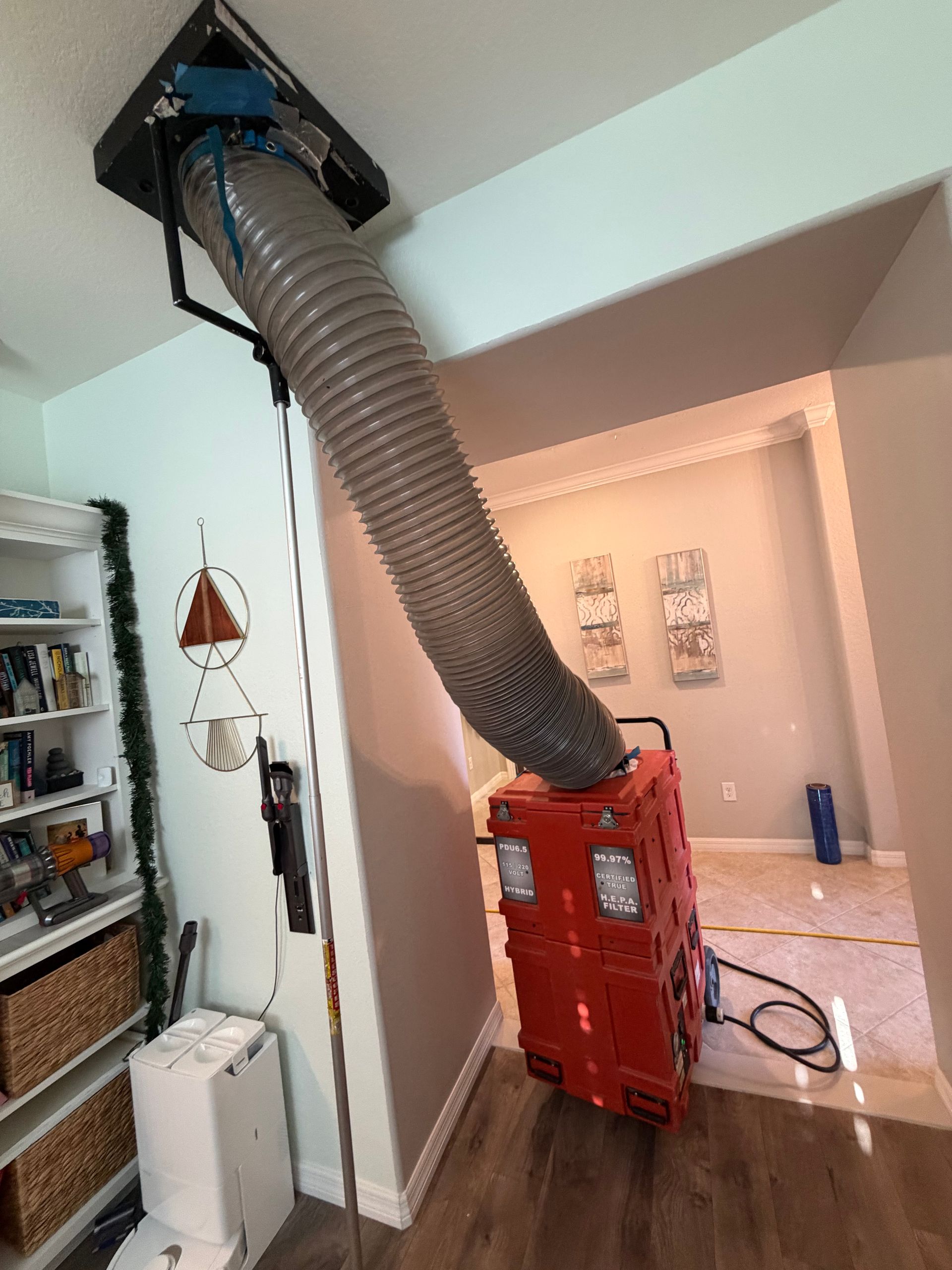
air duct cleaning may be the right first step, or it may be the step that reveals underlying duct damage that requires repair or replacement.
When Duct Repair Is the Right Answer
Repair is appropriate when the damage is localized. A connection that has come loose at a specific register. A section of flex duct that has torn or been compressed in a way that restricts airflow. A joint that has failed at the air handler connection. These are discrete problems with discrete solutions that do not require pulling out and replacing the full duct system.
Repair is also appropriate when the duct system is relatively new and in otherwise good condition. A Jupiter home built in the last ten years with a localized duct issue is a strong repair candidate. The surrounding system is intact and has meaningful remaining service life. Replacing everything to address one section is unnecessary and expensive.
The practical test: if the isolated repair is expected to restore normal system performance and the surrounding ductwork passes an inspection without significant additional concerns, repair is the efficient choice.
When Duct Replacement Is the Right Answer
Full
duct replacement makes sense when leakage is widespread across the system rather than concentrated in one area. A duct system with degraded insulation jacket throughout, multiple loose connections, and significant measured leakage across multiple zones is past the point where targeted repairs produce lasting results. Patching a deteriorated system in multiple locations produces diminishing returns as the next section fails shortly after the previous repair.
Replacement is also indicated when ductwork was poorly designed or sized for the original system. Undersized ducts restrict airflow and force the AC to overwork regardless of how well-maintained the unit itself is. When an AC replacement is already on the schedule, addressing inadequate ductwork at the same time ensures the new system performs to its capacity rather than being constrained by the old duct layout.
For older duct systems showing widespread deterioration, replacement during an AC replacement is the most efficient approach. Crowther handles both scopes and coordinates the work so the new equipment and the new duct system are commissioned together.
How Crowther Diagnoses the Right Path
Crowther's assessment for duct issues includes visual inspection of accessible duct sections, thermal imaging where indicated, and duct leakage testing to quantify how much conditioned air is escaping before it reaches the living space. That measured finding is the basis for recommending repair versus replacement, not a general preference for either option.
The diagnostic also covers the
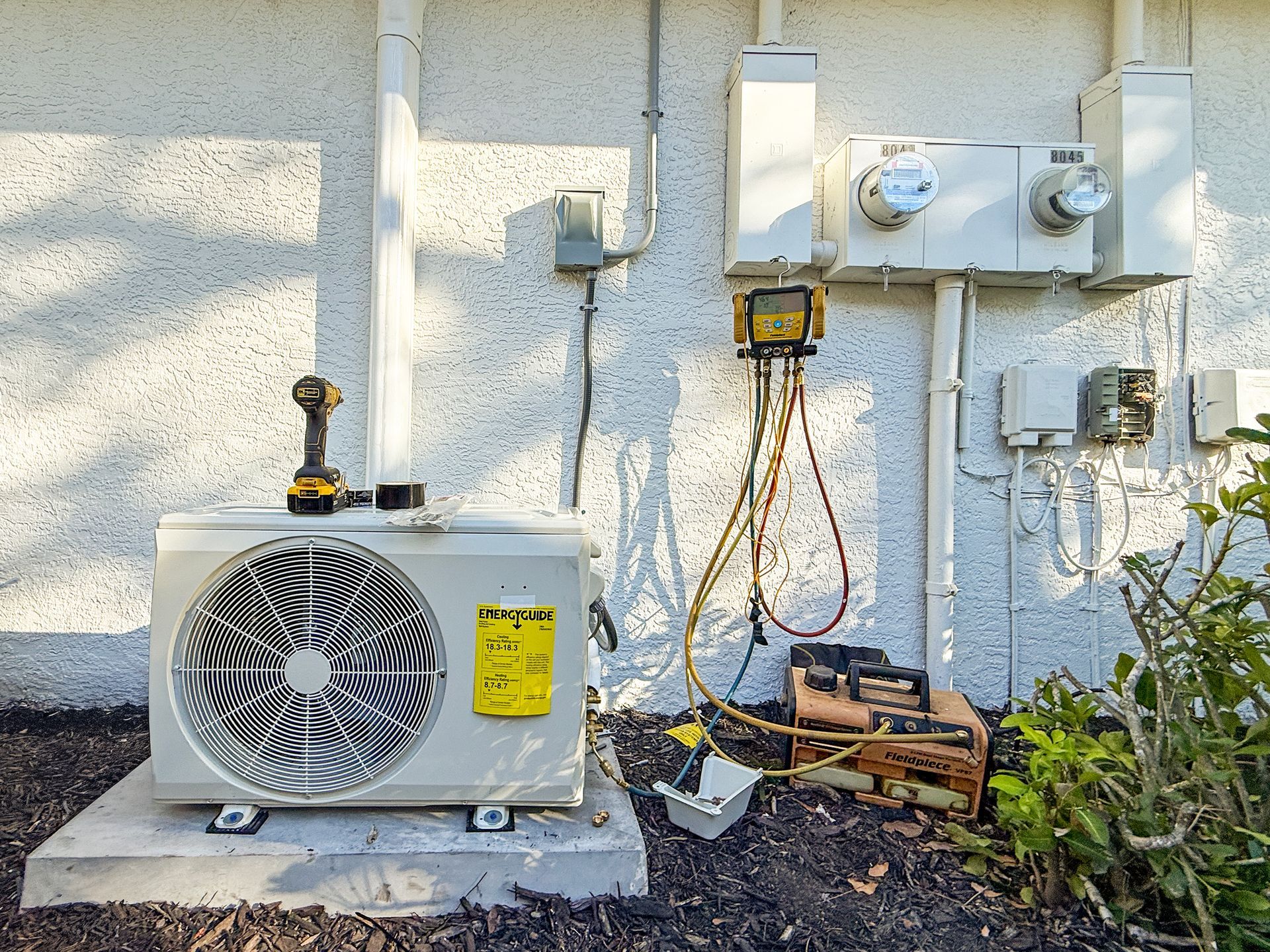
AC system itself, because duct problems and AC problems frequently occur together and contribute to each other. A leaky duct system forces the AC to work harder and fail earlier. An AC system struggling to keep up may have a duct problem as a contributing factor. Addressing them together produces a better outcome than treating each in isolation.
Crowther Roofing and Cooling: Jupiter and Palm Beach County Duct Specialists
Crowther Roofing and Cooling serves Jupiter and Palm Beach County with residential HVAC services including duct repair, duct replacement,
duct cleaning, and
indoor air quality systems. Over 20 years of HVAC experience in Florida. Florida license CMC1250360. No deposit required. Free quotes available for all residential HVAC projects.
Schedule a Free Duct Assessment
If your home has rooms that never cool properly, unusually high energy bills, or air quality concerns, the duct assessment is the right starting point.
Contact Crowther for a free evaluation. Call (561) 624-9400 for the Jupiter office.
Frequently Asked Questions About Air Duct Repair and Replacement