Sanibel Island sits on the Gulf of Mexico in a way that few residential communities in Florida do. The salt air off Pine Island Sound, the humidity that never really breaks, the debris from mangroves and tropical vegetation, and the aftermath of storm seasons combine to create roofing conditions that are genuinely more demanding than anywhere inland. What takes five years to accumulate on a roof in Orlando shows up in eighteen months on a barrier island home.
Roof cleaning is not cosmetic maintenance for a property here. It is part of what keeps a coastal roof performing through the conditions it faces every season. Crowther Roofing has served Southwest Florida for over 60 years, including the communities along Lee County's coast, and handles
roof cleaning for residential properties with the understanding that what works in general Florida roofing does not always translate to a barrier island environment.
What Accumulates on a Coastal Florida Roof
Salt deposits are the most obvious coastal roofing challenge. Salt spray from Gulf winds lands on roof surfaces, works into tile and shingle pores, and accelerates the degradation of roofing materials faster than non-coastal properties experience. Tile roofs on the island show surface erosion from consistent salt exposure that concrete tile manufacturers design for but that requires maintenance attention to stay within the material's rated lifespan.
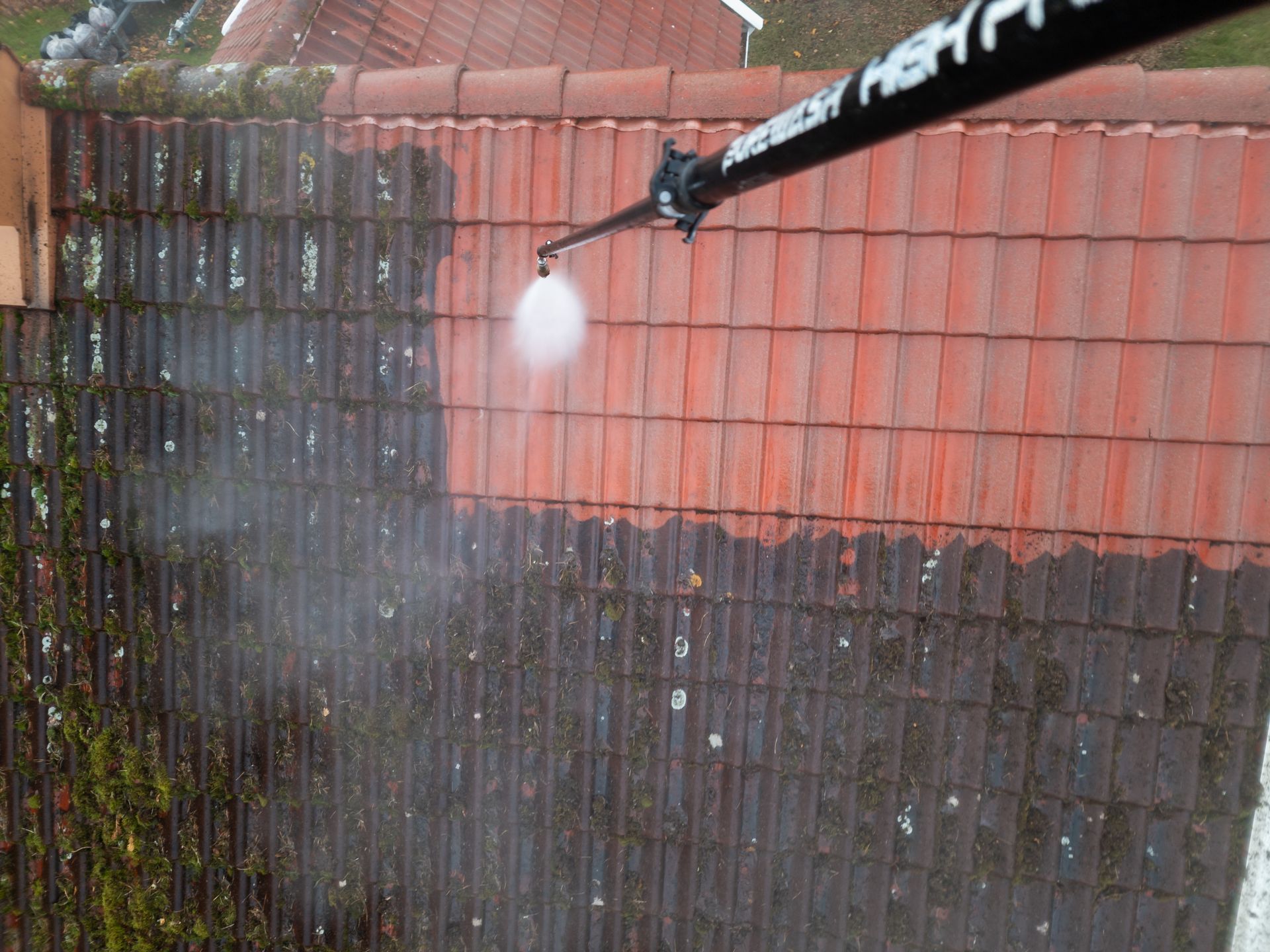
Algae and biological growth follow the moisture. The combination of Florida humidity, seasonal rainfall, and the shade coverage that many island properties enjoy from mature vegetation creates ideal conditions for algae, lichen, and moss to establish on roof surfaces. Algae streaking is not just visual. The organism feeds on the limestone filler in concrete tiles and on the granule layer of asphalt shingles, actively degrading the material surface over time.
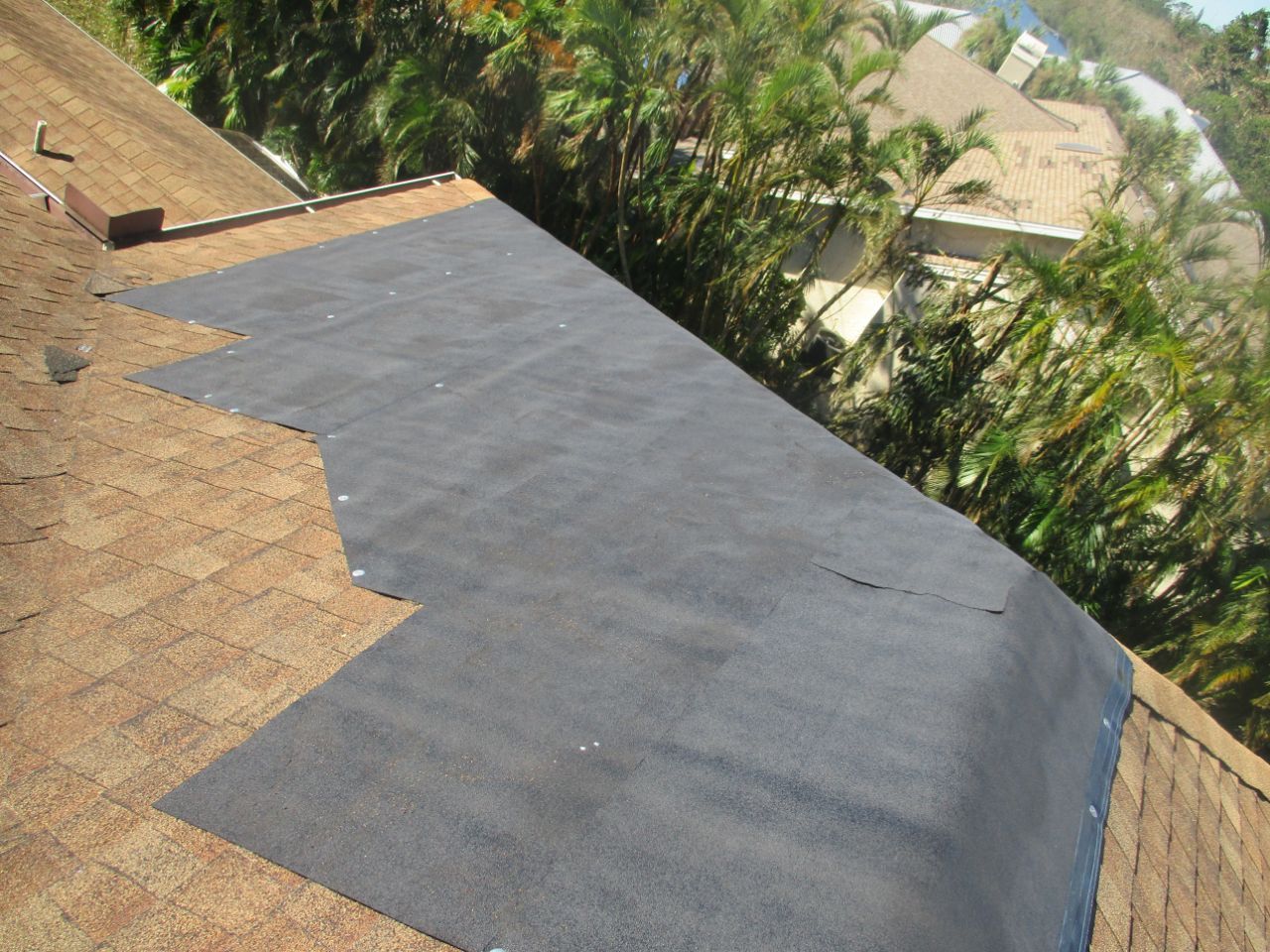
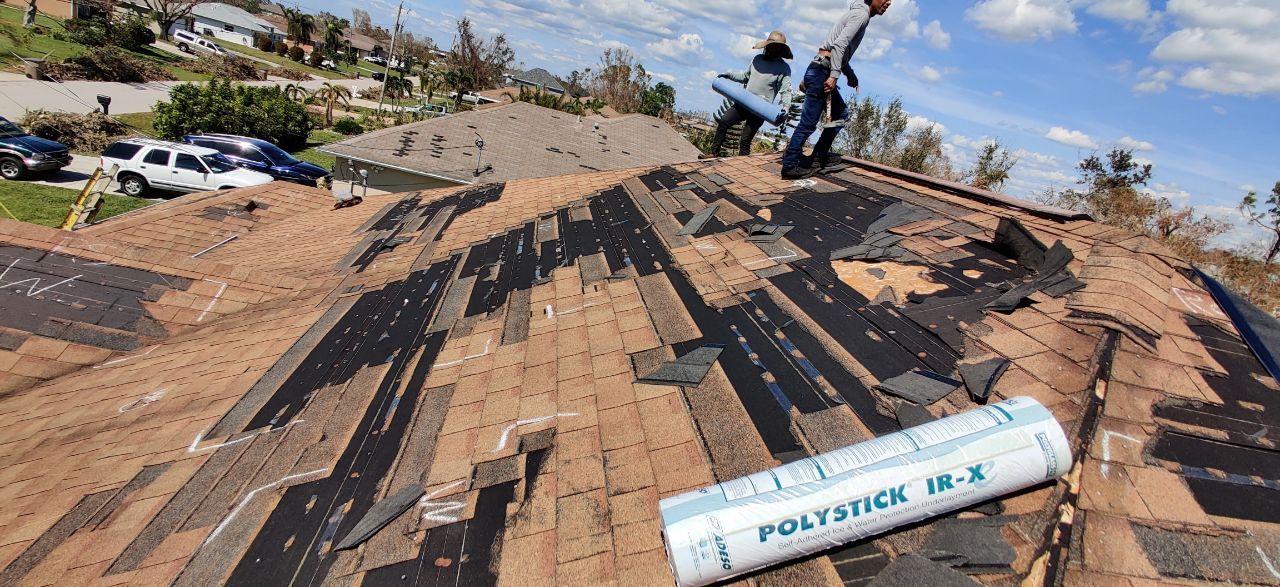
Storm season deposits add a third layer. Hurricane Ian left debris on roofs across Sanibel Island that went well beyond what a standard property in Fort Myers experienced. Organic material lodged in tile courses and valleys, combined with the moisture that follows a major storm event, created accelerated growth conditions that made roof cleaning a priority alongside structural repair work in the recovery period.
Why Pressure Washing Is the Wrong Approach
The instinct for a dirty roof is pressure washing. It looks effective and the immediate visual result is dramatic. The problem is that high-pressure water damages concrete tile surfaces, strips granules from asphalt shingles, and forces water under flashings and into the underlayment system. A pressure-washed tile roof looks clean for a season and then shows accelerated wear at every surface the water hit.
Crowther's
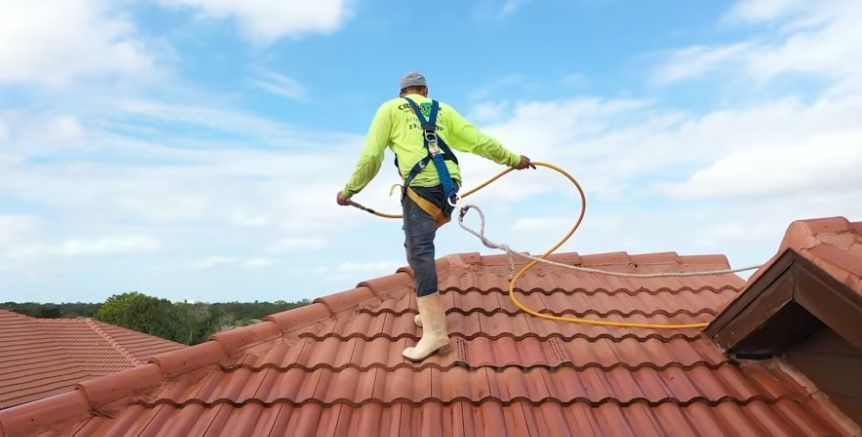
roof cleaning process uses low-pressure soft washing with appropriate cleaning solutions that remove biological growth and salt deposits without damaging the roofing material underneath. The approach matters specifically for the tile roofs that characterize most Sanibel residential properties. Soft washing removes the growth without compromising the tile surface integrity that pressure washing erodes.
The Connection Between Cleaning and Roof Longevity
A roof that goes years without cleaning accumulates biological growth that actively shortens its lifespan. Lichen, in particular, establishes root-like structures that penetrate tile surfaces. Removing lichen after years of growth requires more aggressive treatment than preventing its establishment in the first place, and the surface damage from deep-rooted lichen is permanent. Regular cleaning on a two-to-three-year cycle prevents that progression.
Crowther's
RoofCheck maintenance plans incorporate cleaning assessment alongside structural inspection. A property manager or homeowner who wants ongoing documentation of roof condition alongside periodic cleaning can structure both under the same service relationship. No deposit is required for any Crowther service.
For Sanibel Island properties specifically, documenting roof condition after each cleaning visit provides a clear before-and-after record that is useful for insurance purposes and for tracking how the salt air environment affects surface materials over time. That documentation history also supports replacement planning when a roof is approaching end of life, giving the homeowner accurate condition data rather than relying on a single inspection point. For coastal properties that have been through significant storm seasons, that documentation trail can also clarify pre-storm versus post-storm condition when an insurance claim arises.
Crowther Roofing: Serving Sanibel Island and Southwest Florida
Crowther Roofing and Cooling has served Southwest Florida for over 60 years. The team understands the specific demands of coastal properties in Lee County, including the salt air exposure and storm recovery conditions that barrier island homes face. Licensed under Florida CGC1524777, CCC039822, and CMC1250360. NRCA member. USA Today Top Workplaces 2026. Free quotes with no deposit required on any service.
Schedule a Roof Cleaning Assessment
If your roof has not been professionally cleaned since before Hurricane Ian, or if algae streaking or biological growth is visible on the surface, the assessment is the right starting point. Delaying cleaning on a tile roof that has active biological growth accelerates surface degradation that cannot be reversed.
Contact Crowther Roofing for a free quote. Call (239) 337-0026 for residential roofing inquiries.
Frequently Asked Questions About Roof Cleaning on Sanibel Island